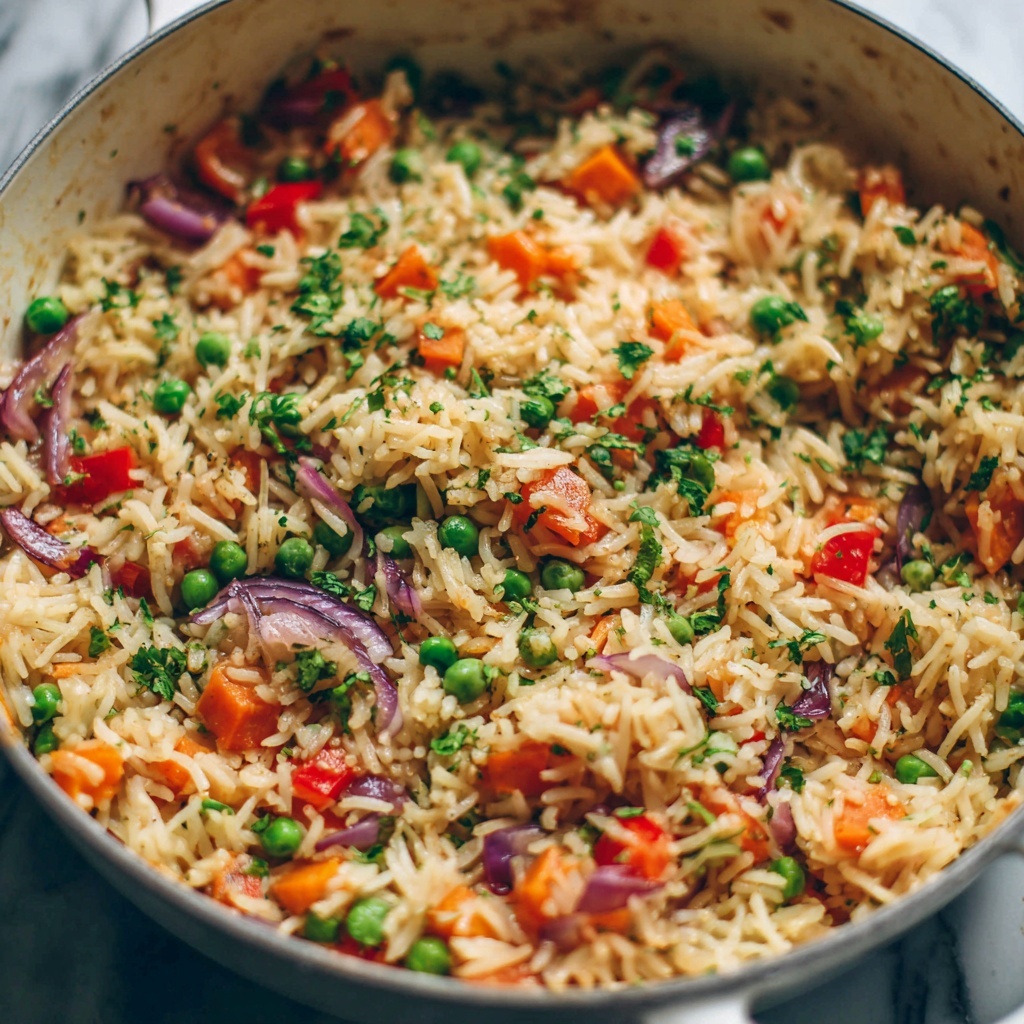
If you’ve ever craved something bursting with vibrant flavors, hearty textures, and a touch of southern soul, then this Vegetable Jambalaya Recipe is here to make your day. It’s a wonderful twist on the traditional jambalaya, packed with colorful veggies, fragrant spices, and that comforting rice base that fills your kitchen with incredible aromas. Whether you’re a longtime lover of Creole cooking or just dipping your toes into bold, veggie-forward dishes, this recipe is sure to become a beloved staple that satisfies both your hunger and your heart.
Ingredients You’ll Need
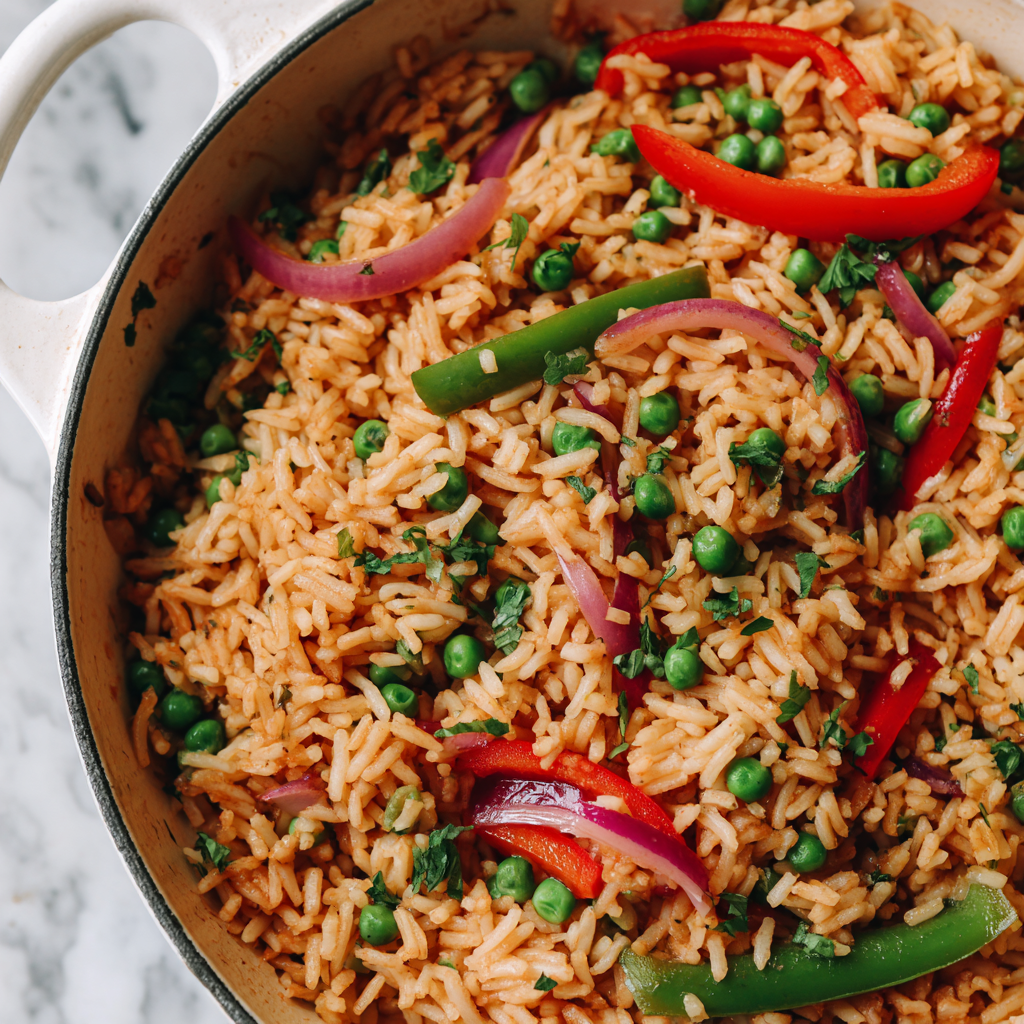
The beauty of this Vegetable Jambalaya Recipe lies in the simplicity and harmony of its ingredients. Each item plays an essential role, bringing bright colors, layers of flavor, and satisfying textures that come together in delicious unity.
- Olive oil: Serves as the perfect base for sautéing and adds a subtle fruitiness.
- Onion: Provides sweetness and depth when softened.
- Green bell pepper: Adds a crisp, fresh flavor with a slight bitterness.
- Red bell pepper: Brings a sweet, juicy pop of color and taste.
- Celery stalks: Contribute a mild crunch and classic savory notes.
- Garlic cloves: Infuse the dish with an irresistible aromatic punch.
- Zucchini: Offers a tender bite and subtle earthiness.
- Diced tomatoes (with juice): Give a tangy, hearty base that keeps everything moist and flavorful.
- Long-grain rice: The star starch that soaks up all those spices and juices beautifully.
- Vegetable broth: Enhances flavor without overpowering the veggies.
- Kidney beans (optional): Add protein and a creamy texture for a more filling meal.
- Okra (optional): Brings an authentic Southern flair with its unique texture.
- Smoked paprika: Delivers warmth and a smoky depth.
- Dried thyme: Provides an earthy herbal note that ties everything together.
- Dried oregano: Lends a slightly peppery, aromatic lift.
- Cayenne pepper: Adds just the right amount of heat to awaken the dish.
- Black pepper: A classic spice for balanced seasoning.
- Salt: Enhances all other flavors.
- Ground cumin: Introduces a warm, nutty undertone.
- Bay leaves: Impart a subtle, complex aroma while simmering.
- Hot sauce (optional): For anyone who loves an extra kick.
- Fresh parsley: A fresh garnish that brightens every bite.
- Lemon wedges: Add a zesty finish that wakes up the palate.
How to Make Vegetable Jambalaya Recipe
Step 1: Sauté the Vegetables
Start by heating olive oil in a large pot or Dutch oven over medium heat. Toss in diced onion, green and red bell peppers, and celery. Cook these together for 5 to 7 minutes until they soften and begin to release their sweet aromas, creating the flavorful base for your jambalaya.
Step 2: Add Garlic and Zucchini
Next, stir in your minced garlic and diced zucchini. Cook for another 2 to 3 minutes to allow the garlic’s fragrance to permeate the dish and the zucchini to soften just enough without losing its lovely texture.
Step 3: Incorporate the Spices
Add smoked paprika, dried thyme, oregano, cayenne pepper, black pepper, salt, and cumin. Stir continuously for about a minute to toast the spices gently—this step is key to deepening the flavor and making your jambalaya truly sing.
Step 4: Mix in Rice and Tomatoes
Pour the rice into the pot, stirring well so each grain gets wonderfully coated with the spices and vegetable mixture. Then add the diced tomatoes along with their juices to infuse a tangy richness and keep the dish moist.
Step 5: Add Broth and Bay Leaves, Then Simmer
Pour in the vegetable broth and add the bay leaves. Bring everything to a boil, reduce heat to low, cover the pot, and let it simmer gently for 20 to 25 minutes. During this time, the rice will cook perfectly and soak up all those layered flavors. Remember to stir occasionally to prevent sticking. If you choose brown rice, give it a longer simmer of about 40 to 45 minutes for tenderness.
Step 6: Add Beans and Okra (Optional)
If you decide to include kidney beans and okra, stir them into the pot during the last 5 to 10 minutes of cooking. This preserves their textures while allowing them to mingle with the rest of the dish’s vibrant ingredients.
Step 7: Final Seasoning and Serving
Give your jambalaya a taste and tweak the seasoning with extra salt, pepper, or a dash of hot sauce, if you like that fiery touch. Remove the bay leaves before serving, then spoon the dish into bowls, ready to be enjoyed.
How to Serve Vegetable Jambalaya Recipe
Garnishes
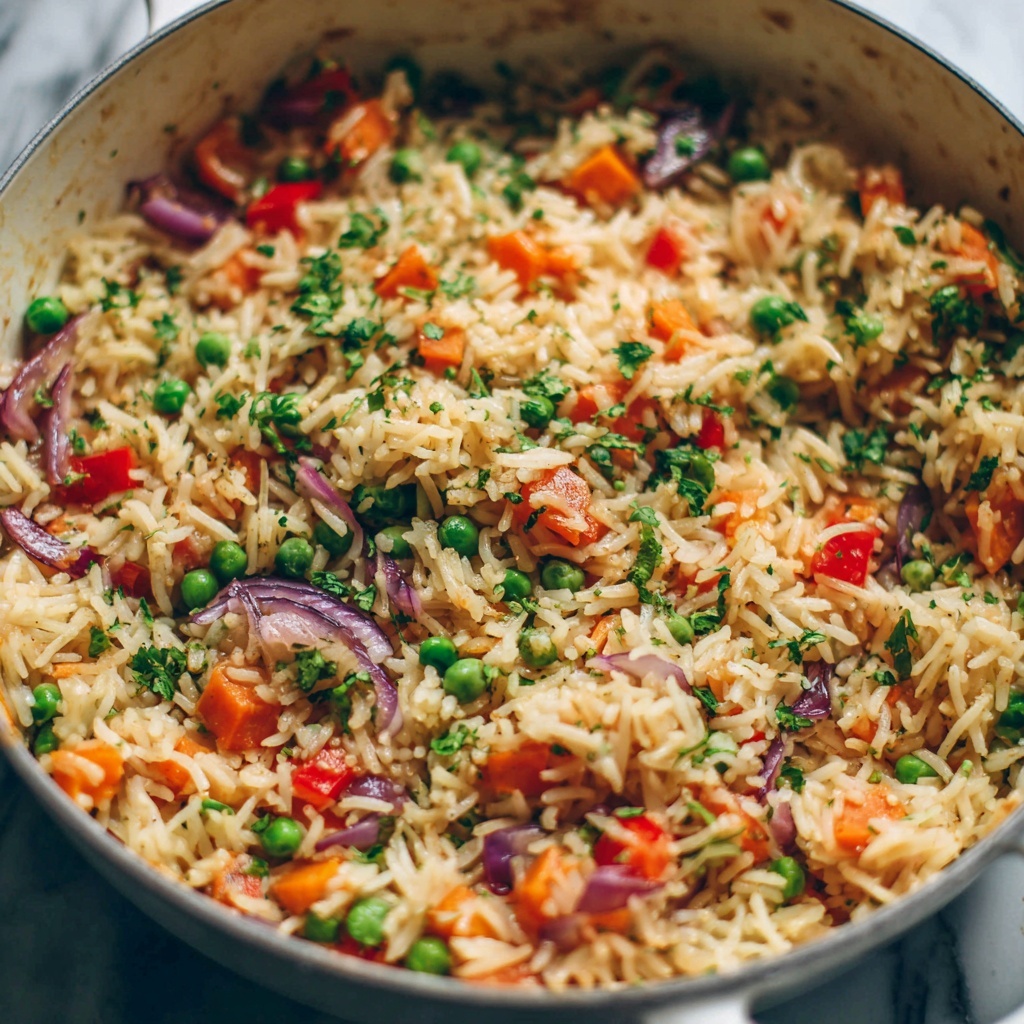
Fresh parsley is a must—it adds a brilliant pop of green and a fresh taste that balances the spice. A squeeze of lemon juice right on top brightens every spoonful and cuts through the richness beautifully.
Side Dishes
Pair this Vegetable Jambalaya Recipe with a crisp green salad or some crusty cornbread to soak up the juices. For a lighter option, steamed greens or roasted asparagus add a fresh contrast without competing with the main dish.
Creative Ways to Present
Serve your jambalaya in colorful bowls to match the vibrant ingredients. For a festive twist, hollow out a bell pepper and fill it with the jambalaya to make edible vessels that delight both eyes and palate. You can also top it with a dollop of creamy vegan sour cream or avocado slices for extra indulgence.
Make Ahead and Storage
Storing Leftovers
This Vegetable Jambalaya Recipe keeps wonderfully in the fridge for up to 4 days. Store it in an airtight container to maintain flavor and freshness. It’s perfect for quick lunches or wholesome dinners when time is tight.
Freezing
You can freeze leftovers too! Portion your jambalaya into freezer-safe containers or bags, leaving some space for expansion. It will stay good for up to 3 months. When ready to enjoy, thaw it overnight in the fridge before reheating.
Reheating
Reheat gently on the stove over medium-low heat, stirring occasionally and adding a splash of vegetable broth or water to loosen the texture if needed. Microwave reheating works well too; just cover loosely and heat in short intervals to avoid drying out.
FAQs
Can I make this Vegetable Jambalaya Recipe vegan and gluten-free?
Absolutely! This recipe is naturally vegan and gluten-free as long as you use gluten-free vegetable broth and avoid adding any animal products. It’s an inclusive dish that everyone can enjoy.
What can I substitute if I don’t have okra?
If okra isn’t available or you’re not a fan, feel free to omit it or try chopped green beans or zucchini chunks instead. They won’t have the same texture but will maintain the dish’s wholesome veggie charm.
Is this recipe spicy?
The heat level is adjustable! The cayenne pepper and hot sauce add a nice kick, but you can reduce or omit these if you prefer a milder dish. Likewise, add extra spice if you love that fiery zest.
Can I use different types of rice?
Yes! Long-grain white rice is traditional and cooks faster, but brown rice adds nuttier flavor and more fiber. Just remember brown rice requires a longer simmering time to become tender.
How long does this recipe take from start to finish?
Including prep and cooking, you’re looking at around 45 minutes. It’s a perfect weeknight meal that feels special without demanding hours in the kitchen.
Final Thoughts
This Vegetable Jambalaya Recipe is one of those dishes that feels like a hug on a plate—full of warmth, flavor, and wholesome goodness. I truly hope you enjoy making and savoring it as much as I do. Once you try it, it might just become your new go-to comfort food, bursting with all the bold taste and heartiness that make jambalaya so unforgettable.
Print
Vegetable Jambalaya Recipe
- Prep Time: 15 minutes
- Cook Time: 30 minutes
- Total Time: 45 minutes
- Yield: 4 servings
- Category: Main Dish
- Method: Stovetop
- Cuisine: Cajun
- Diet: Vegetarian
Description
This Vegetable Jambalaya is a vibrant, hearty, and flavorful one-pot dish packed with a colorful medley of fresh vegetables, aromatic spices, and tender rice. Ideal for a wholesome vegetarian meal, it brings a taste of Cajun-inspired cooking with a healthy twist, featuring ingredients like bell peppers, zucchini, okra, and kidney beans in a rich tomato base. Perfect for a comforting dinner, this recipe is easy to prepare with common pantry staples and can be customized with your preferred heat level.
Ingredients
Vegetables and Aromatics
- 2 tablespoons olive oil
- 1 onion, diced
- 1 green bell pepper, diced
- 1 red bell pepper, diced
- 2 celery stalks, diced
- 3 garlic cloves, minced
- 1 zucchini, diced
- 1 cup frozen or fresh okra (optional)
Pantry Items
- 1 can (14 oz) diced tomatoes (with juice)
- 1 1/2 cups long-grain rice (or brown rice for a healthier option)
- 3 cups vegetable broth
- 1 can (15 oz) kidney beans, drained and rinsed (optional)
Spices and Seasonings
- 1 1/2 teaspoons smoked paprika
- 1 teaspoon dried thyme
- 1 teaspoon dried oregano
- 1/2 teaspoon cayenne pepper (adjust for heat preference)
- 1/2 teaspoon black pepper
- 1/2 teaspoon salt (or to taste)
- 1/4 teaspoon ground cumin
- 2 bay leaves
- 1 tablespoon hot sauce (optional)
Garnish and Serving
- 1/4 cup fresh parsley, chopped (for garnish)
- Lemon wedges (for serving)
Instructions
- Sauté the Vegetables: In a large pot or Dutch oven, heat the olive oil over medium heat to warm it evenly. Add the diced onion, green and red bell peppers, and celery. Cook these vegetables for 5-7 minutes until they become soft and aromatic, stirring occasionally to prevent sticking.
- Add Garlic and Zucchini: Stir in the minced garlic and diced zucchini. Continue cooking for an additional 2-3 minutes, allowing the garlic to release its fragrance and the zucchini to soften slightly without losing its shape.
- Add the Spices: Sprinkle in the smoked paprika, dried thyme, oregano, cayenne pepper, black pepper, salt, and ground cumin. Stir well to coat the vegetables with these spices. Cook the mixture for about 1 minute so the spices can bloom and become fragrant.
- Add Rice and Tomatoes: Pour in the rice and stir thoroughly so that each grain is combined with the spiced vegetable mixture. Then add the canned diced tomatoes along with their juice, combining everything evenly.
- Pour in Broth and Add Bay Leaves: Pour in the vegetable broth and add the bay leaves. Stir gently to mix all ingredients together in the pot.
- Simmer the Jambalaya: Increase the heat to bring the mixture to a boil. Once boiling, reduce the heat to low and cover the pot tightly. Let it simmer for 20-25 minutes if using long-grain white rice, or 40-45 minutes if using brown rice, until the rice is tender and most of the liquid has been absorbed. Stir occasionally to prevent sticking.
- Add Beans and Okra: If using kidney beans and/or okra, stir them in during the last 5-10 minutes of cooking to warm through without overcooking.
- Adjust Seasoning: Remove the lid and taste the jambalaya. Adjust salt, pepper, or add hot sauce as desired to enhance the flavor according to your preference.
- Serve and Garnish: Remove and discard the bay leaves. Serve the jambalaya hot, garnished with freshly chopped parsley and a squeeze of lemon juice to add brightness and balance the rich flavors.
Notes
- You can substitute brown rice for long-grain white rice to increase fiber and nutrients, but note the longer cooking time.
- Okra and kidney beans are optional but add authentic texture and protein to the dish.
- Adjust cayenne pepper and hot sauce quantities based on your preferred spice level.
- For a gluten-free version, ensure the vegetable broth and hot sauce you use are certified gluten-free.
- This recipe can be made vegan and vegetarian as it contains no animal products.
- Leftovers keep well in the refrigerator for 3-4 days and reheat nicely on the stovetop or microwave.