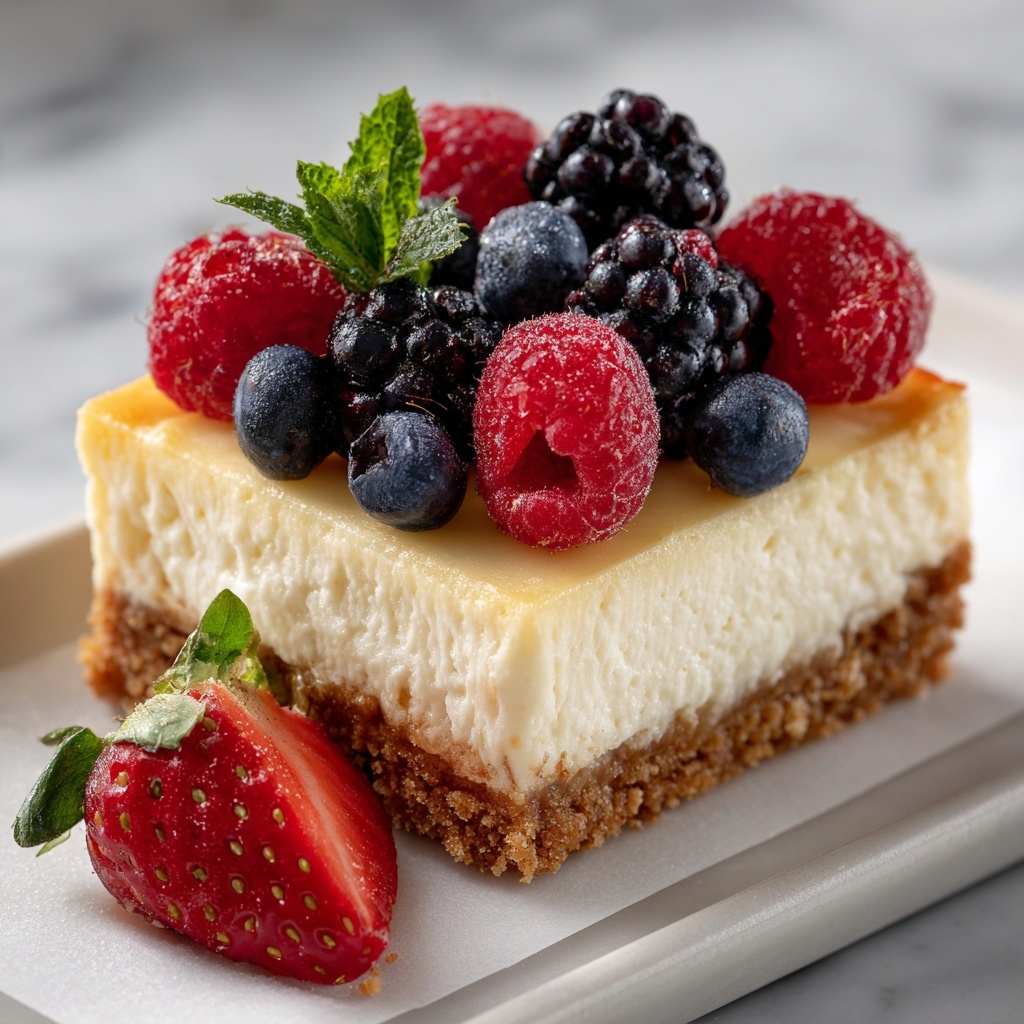
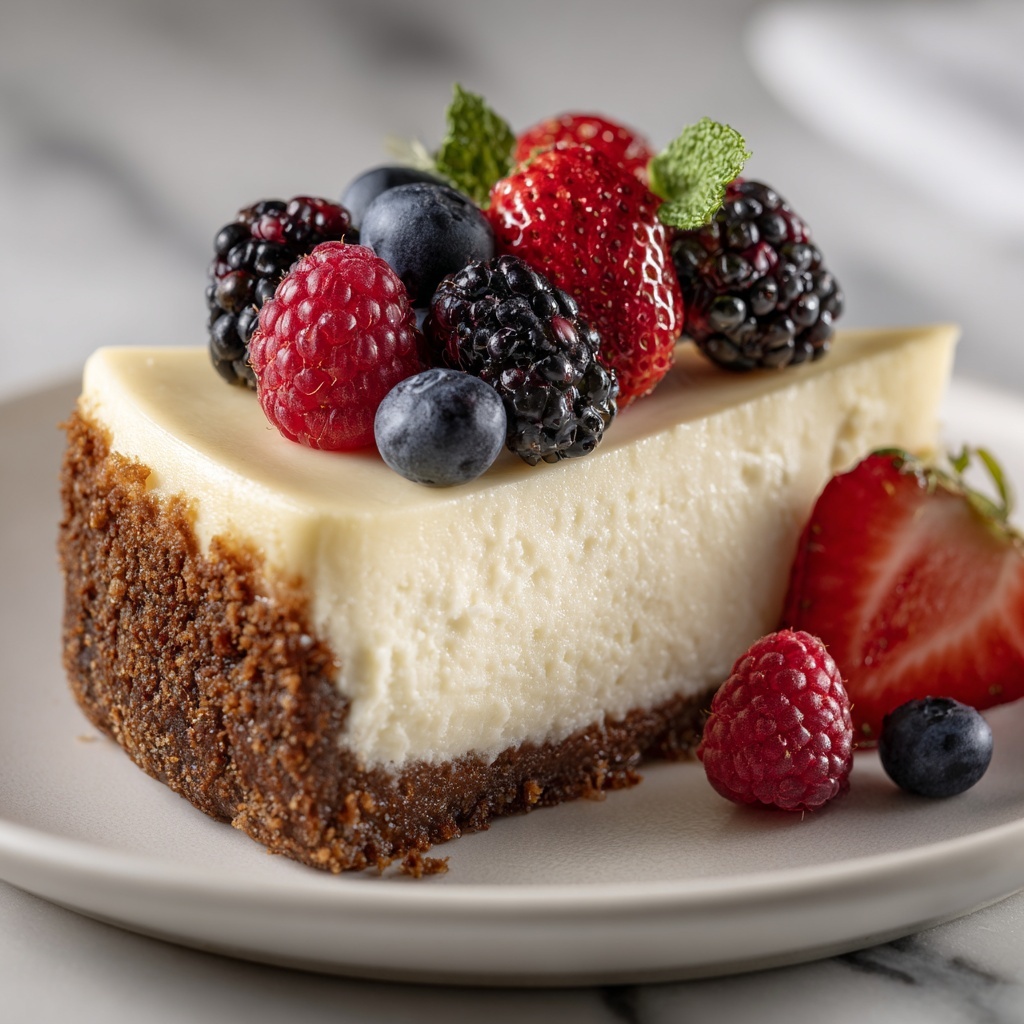
The Perfect Cheesecake Recipe is a delightful celebration of creamy, smooth texture and balanced sweetness wrapped in a buttery, crisp graham cracker crust. This classic dessert is simple to prepare yet impressive enough for any special occasion or cozy night in. With every forkful, you’ll experience a luscious richness complemented by subtle hints of lemon and vanilla that make this cheesecake unmistakably irresistible and truly perfect.
Ingredients You’ll Need
Getting the perfect cheesecake starts with straightforward, wholesome ingredients that work in harmony to create that silky texture and rich, tangy flavor. Each element here has a key role—whether it’s the crust’s crunch, the filling’s creaminess, or the aromas that make it all comforting and memorable.
- 1 1/2 cups graham cracker crumbs: The foundation of your crust, providing a crunchy, slightly sweet base that contrasts beautifully with the creamy filling.
- 2 tablespoons granulated sugar: Adds a touch of sweetness to the crust, enhancing the overall flavor balance.
- 1/2 teaspoon ground cinnamon (optional): A warm hint that elevates the crust’s flavor for a subtle spice note.
- 6 tablespoons unsalted butter, melted: Binds the crust ingredients and gives it that irresistible, buttery richness.
- 4 (8-ounce) blocks full-fat cream cheese, softened: The star of the filling, providing the creamy, smooth texture essential for perfect cheesecake.
- 1 1/4 cups granulated sugar: Sweetens the filling just right without overpowering the natural tang of the cream cheese.
- 2 tablespoons all-purpose flour (or 1 tablespoon cornstarch): Helps stabilize the filling to give it that perfect creamy yet firm consistency.
- 1/4 teaspoon fine salt: Balances sweetness and enhances all the other flavors.
- 1 tablespoon vanilla extract: Adds warmth and depth to the flavor profile.
- 1 teaspoon fresh lemon juice: Introduces a subtle brightness that cuts through the richness, making each bite refreshing.
- 1/2 teaspoon lemon zest (optional): Intensifies the lemon flavor with a fresh, aromatic lift.
- 4 large eggs, room temperature: Essential for adding structure without making the cheesecake dense.
- 1/2 cup sour cream, room temperature: Contributes creaminess and a slight tang that balances sweetness beautifully.
- 1/4 cup heavy cream, room temperature: Enhances smoothness and richness, making this cheesecake truly decadent.
How to Make Perfect Cheesecake Recipe
Step 1: Prepare Your Pan and Crust
Start by preheating your oven to 325°F and carefully wrapping your springform pan with double layers of heavy-duty foil. This foil shield is crucial to prevent any water from the later water bath from seeping in. Lightly grease your pan to ensure the crust slides out smoothly. Next, combine the graham cracker crumbs, sugar, cinnamon if you’re using it, and melted butter until all are evenly moistened. Firmly press this mixture into the bottom and a bit up the sides of the pan then bake for 10 minutes. This step creates a golden, crisp base that perfectly supports the luscious filling.
Step 2: Set Up the Water Bath
Boil some water for your water bath, a beautiful trick to ensure even baking and prevent cracking by adding gentle moisture around the cheesecake. Place your foil-wrapped pan snugly into a larger roasting pan—the water bath’s secret weapon. This technique guarantees a silky texture and that classic cheesecake appearance we all adore.
Step 3: Make the Creamy Filling
Using a stand mixer with a paddle attachment or a hand mixer on low speed, beat the softened cream cheese until it’s completely smooth—scrape down the sides frequently to avoid lumps. Gradually add sugar and continue mixing gently. Stir in flour and salt to help the filling set just right. Now, blend in the vanilla, lemon juice, and optional zest for that subtle, fresh lift. Add the eggs carefully one at a time, mixing just enough to combine after each addition to avoid incorporating too much air which can cause cracks. Finally, mix in the sour cream and heavy cream, gently tapping the bowl to release any trapped air bubbles—this attention to detail makes all the difference in getting that perfect cheesecake texture.
Step 4: Bake to Perfection
Pour your silky filling into the cooled crust and set the roasting pan on the oven rack. Carefully pour the hot water into the roasting pan until it reaches halfway up the sides of your springform pan. Bake for 60 to 70 minutes until you see the edges are set and slightly puffed, and the center still has a gentle wobble of about 2 to 3 inches—this tricky wobble is a sign your cheesecake is perfectly cooked through yet creamy.
Step 5: Cool and Chill for Best Results
Turn off the oven and crack the door open, letting the cheesecake cool inside for 1 hour—this gradual cooling prevents cracks and helps maintain that smooth surface. Remove from the water bath, discard the foil, and cool to room temperature for another hour. Cover and refrigerate for at least 6 hours or preferably overnight to allow the flavors to deepen and the cheesecake to set perfectly for slicing.
How to Serve Perfect Cheesecake Recipe
Garnishes
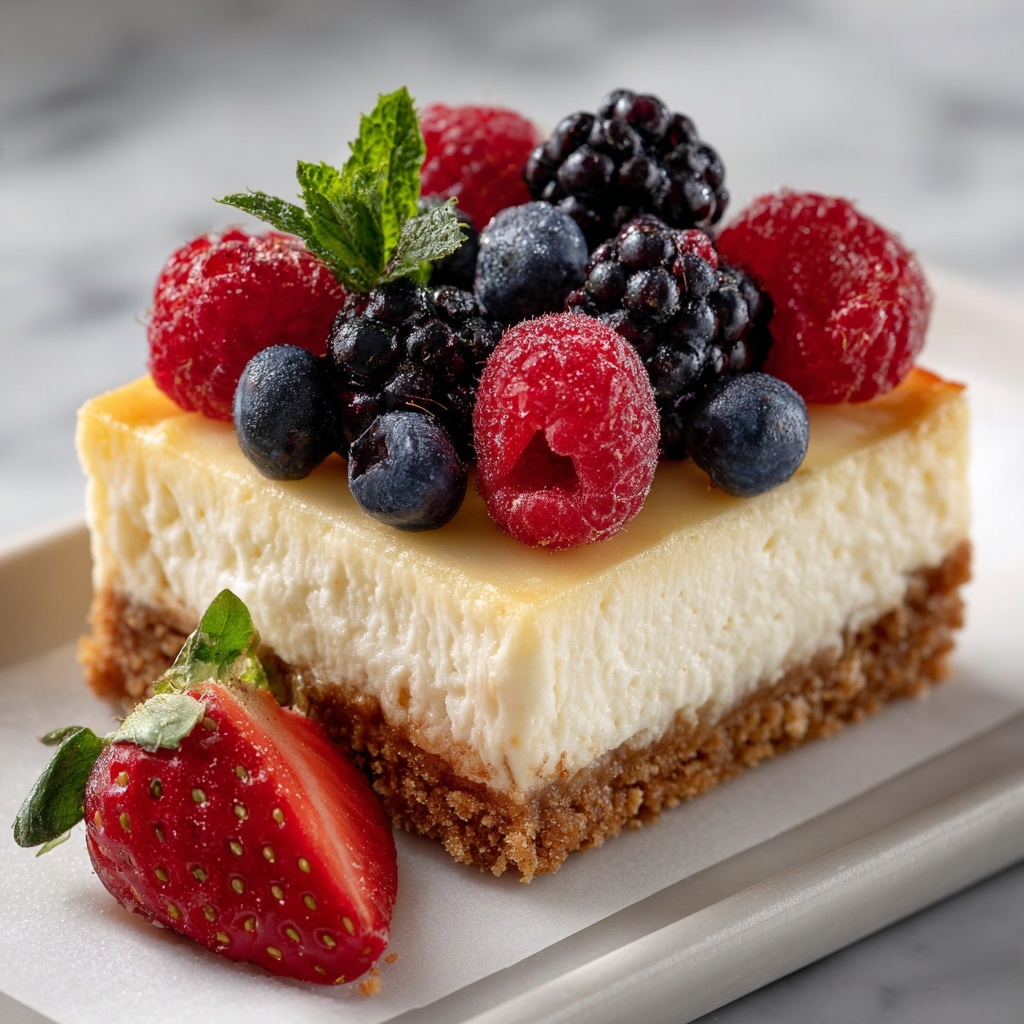
Simple is often best when it comes to garnishes with this rich dessert. Fresh berries like strawberries, blueberries, or raspberries add vibrant color and juicy brightness. For a sweeter touch, cherry pie filling or a drizzle of salted caramel brings a luxurious finish that’s sure to wow. Lemon curd adds a zesty contrast that complements the subtle lemon notes in the filling. Whatever you choose, garnishes elevate this cheesecake into a stunning centerpiece.
Side Dishes
Perfect pairings for cheesecake include a light, refreshing fruit salad or a simple mint-infused whipped cream. These sides balance the richness of the cheesecake and add an element of freshness to every bite, making the dessert experience feel well-rounded and delightful.
Creative Ways to Present
Presentation can turn your Perfect Cheesecake Recipe into a memorable event. Consider serving individual slices with a delicate dusting of powdered sugar or a swirl of chocolate sauce on the plate. For special occasions, you might layer your cheesecake with fruit compote in transparent glasses or decorate with edible flowers. These creative touches make the experience feel extra special without overshadowing the cheesecake’s inherent beauty.
Make Ahead and Storage
Storing Leftovers
You can keep leftover cheesecake refrigerated for up to 5 days. Make sure it’s tightly covered with plastic wrap or stored in an airtight container to prevent it from drying out or absorbing other fridge odors. Proper storage maintains its creamy texture and fresh flavor each time you enjoy another slice.
Freezing
This cheesecake freezes beautifully if you want to make it in advance or save for later. Wrap it securely in plastic wrap and then foil to protect against freezer burn. Freeze for up to 2 months. When you’re ready to indulge again, thaw it in the refrigerator overnight to retain its silky texture and luscious taste.
Reheating
Cheesecake is best served chilled, so reheating is generally not recommended. However, if you prefer it slightly less cold, allow the cheesecake to sit at room temperature for about 15 to 20 minutes before serving. This brings out the flavors without compromising texture.
FAQs
Can I use low-fat cream cheese for this recipe?
Low-fat cream cheese can be used, but it may affect the texture and richness of the cheesecake. For the creamiest and most classic results, full-fat cream cheese is recommended.
Why do you use a water bath in this cheesecake recipe?
The water bath adds moisture to the oven environment, which helps the cheesecake bake evenly and prevents cracking by reducing the direct heat on the pan’s sides.
What causes cracks in cheesecake and how can I prevent them?
Cracks are often caused by overmixing or sudden temperature changes. Mixing the ingredients on low speed and allowing the cheesecake to cool gradually in the oven helps prevent cracking for a smooth, flawless top.
Can I make this cheesecake gluten-free?
Absolutely! Substitute the graham cracker crumbs with gluten-free alternatives such as gluten-free graham crackers or crushed nuts, and use cornstarch instead of flour to keep it gluten-free.
How do I get clean slices when serving cheesecake?
For clean, beautiful slices, run a thin knife under hot water, wipe it dry, and slice the cheesecake. Repeat heating and wiping the knife between each cut for the best results.
Final Thoughts
There’s nothing quite like the joy of making and sharing the Perfect Cheesecake Recipe. It’s a true classic that always impresses, whether it’s for a casual gathering or a special celebration. Give this recipe a try—you’ll find it’s easier than you think and absolutely worth every bite. Trust me, once you master this cheesecake, it might just become your new favorite go-to dessert to share with everyone you love.
Print
Perfect Cheesecake Recipe
- Prep Time: 25 minutes
- Cook Time: 1 hour 10 minutes
- Total Time: 8 hours 35 minutes
- Yield: 12 slices
- Category: Dessert
- Method: Baking
- Cuisine: American
- Diet: Vegetarian
Description
This Perfect Cheesecake Recipe delivers a creamy, rich New York-style cheesecake with a buttery graham cracker crust. Baked in a water bath to ensure a smooth, crack-free surface and a velvety texture, this classic dessert is topped with optional fresh berries or your favorite topping, making it an ideal celebratory treat.
Ingredients
Crust
- 1 1/2 cups graham cracker crumbs
- 2 tablespoons granulated sugar
- 1/2 teaspoon ground cinnamon (optional)
- 6 tablespoons unsalted butter, melted
Filling
- 4 (8-ounce) blocks full-fat cream cheese, softened to room temperature
- 1 1/4 cups granulated sugar
- 2 tablespoons all-purpose flour (or 1 tablespoon cornstarch)
- 1/4 teaspoon fine salt
- 1 tablespoon vanilla extract
- 1 teaspoon fresh lemon juice
- 1/2 teaspoon lemon zest (optional)
- 4 large eggs, room temperature
- 1/2 cup sour cream, room temperature
- 1/4 cup heavy cream, room temperature
Instructions
- Preheat and Prepare Pan: Preheat the oven to 325°F. Wrap the outside of a 9-inch springform pan with two layers of heavy-duty foil to prevent leaks and lightly grease the inside.
- Make the Crust: In a bowl, combine graham cracker crumbs, sugar, cinnamon if using, and melted butter until evenly moistened. Press the mixture firmly onto the bottom and slightly up the sides of the pan. Bake for 10 minutes, then set aside to cool.
- Prepare Water Bath: Boil water for the water bath. Place the foil-wrapped springform pan into a large roasting pan.
- Mix Cream Cheese Base: Using a stand mixer with paddle attachment or hand mixer on low speed, beat the cream cheese until completely smooth, scraping the bowl frequently.
- Add Sugar, Flour, and Salt: Add the sugar and beat on low until combined. Mix in the flour and salt thoroughly.
- Add Flavorings: Stir in vanilla extract, fresh lemon juice, and lemon zest if using. Mix on low speed until blended.
- Incorporate Eggs: Add the eggs one at a time, mixing gently on low just until incorporated. Avoid overmixing to prevent cracks.
- Add Sour Cream and Heavy Cream: Mix in sour cream and heavy cream on low speed until smooth. Tap the bowl on the counter to release trapped air bubbles.
- Pour Filling and Set in Water Bath: Pour the filling into the cooled crust. Place the roasting pan on the oven rack and carefully pour hot water into it until it reaches halfway up the sides of the springform pan.
- Bake the Cheesecake: Bake for 60 to 70 minutes until the edges are set and slightly puffed and the center has a gentle 2 to 3-inch wobble.
- Cool in Oven: Turn off the oven, crack the door open, and let the cheesecake cool inside for 1 hour to prevent cracking.
- Remove from Water Bath and Cool Further: Carefully remove the cheesecake from the water bath, discard the foil, and cool at room temperature for 1 hour.
- Refrigerate: Cover and refrigerate the cheesecake for at least 6 hours, preferably overnight, for best texture and flavor.
- Serve: To serve, run a thin knife around the edges, release the springform ring, and slice with a warm, clean knife for smooth cuts.
Notes
- Room-temperature ingredients help ensure a smooth, lump-free batter.
- Mixing on low speed and avoiding overmixing reduces the risk of cracks on the cheesecake surface.
- If you prefer not to use a water bath, place a pan of hot water on the rack below the cheesecake during baking, though cracks are more likely.
- For clean, smooth slices, wipe the knife between each cut with a warm cloth.
- Serve topped with fresh berries, cherry pie filling, lemon curd, or salted caramel for added flavor and presentation.