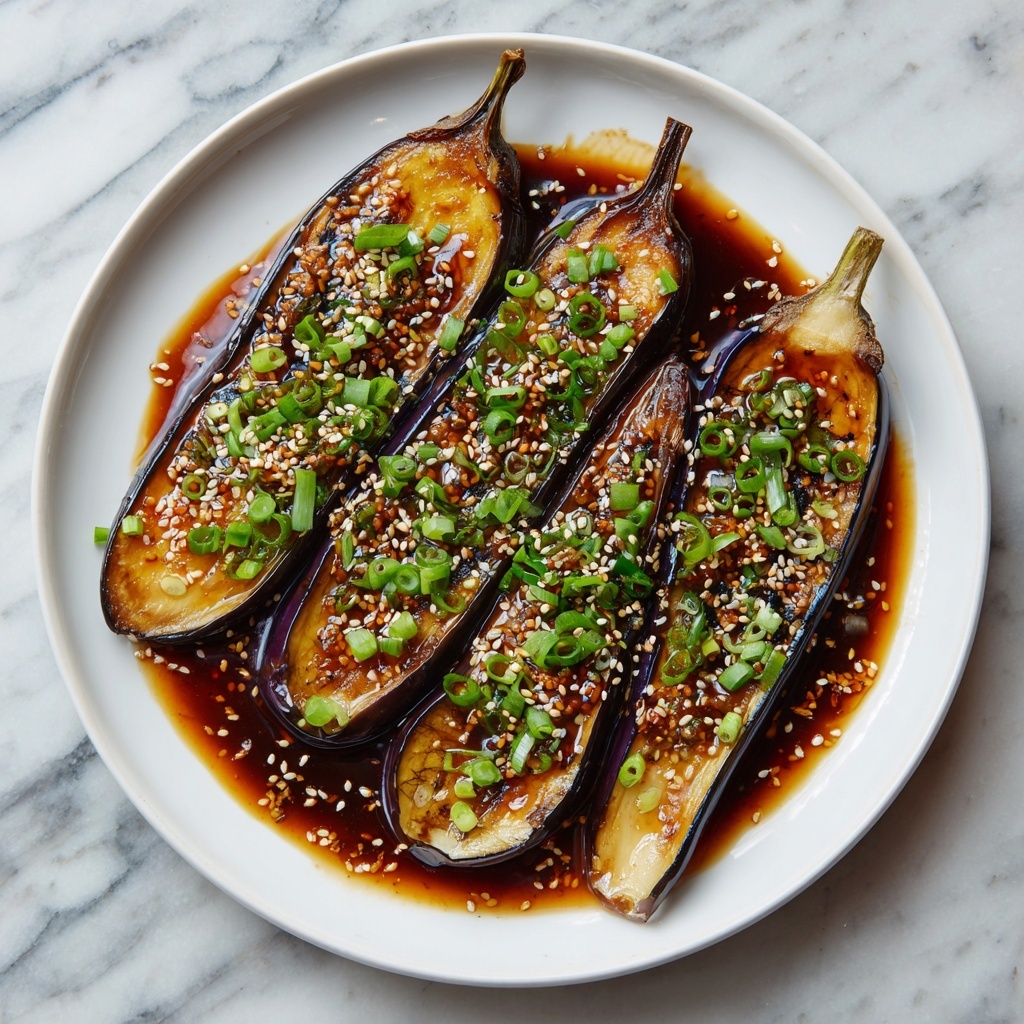
If you love dishes that are bursting with umami flavor yet surprisingly simple to prepare, you are going to adore this Miso-Glazed Eggplant (Nasu Dengaku) Recipe: A Tasty Japanese Delight Recipe. This traditional Japanese side is a perfect blend of tender roasted eggplant and a luscious, caramelized miso glaze that packs a punch of savory sweetness and subtle nuttiness. It’s a comforting yet elegant dish that feels like a warm hug on a plate and is sure to become a favorite in your kitchen!
Ingredients You’ll Need
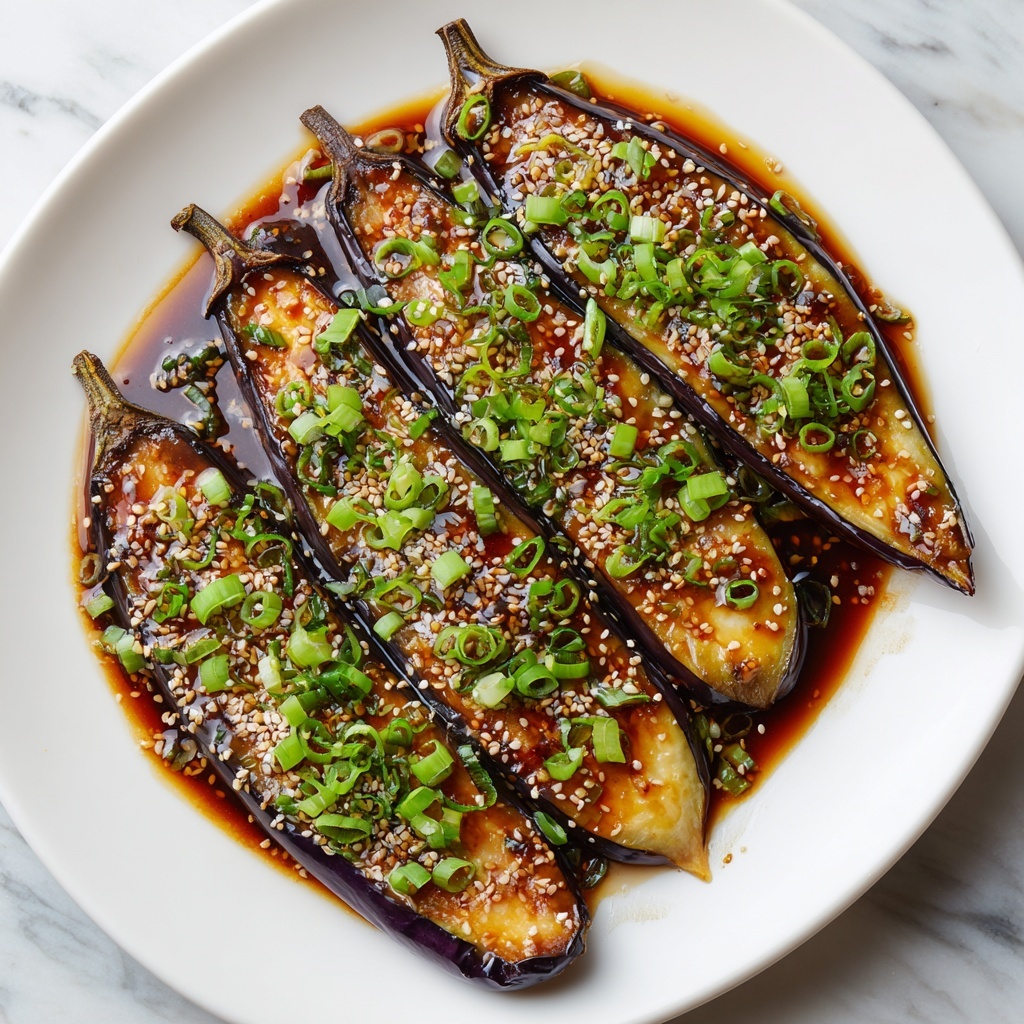
This recipe keeps things refreshingly straightforward, relying on a shortlist of ingredients that each play a vital role in creating a deep, layered flavor and gorgeous texture. The balance between savory, sweet, and nutty elements is what makes this dish truly memorable.
- Japanese eggplants: Their slender shape and tender flesh roast beautifully while absorbing the glaze wonderfully.
- Neutral oil: A light oil to help the eggplants caramelize without overpowering the delicate flavors.
- White miso paste: The soul of the glaze, providing rich umami and a gentle sweetness.
- Mirin: Adds a lovely mild sweetness and depth to the glaze.
- Sake: Enhances flavor complexity and softens the miso’s intensity.
- Granulated sugar: Balances the savoriness with just the right touch of sweetness.
- Soy sauce: Adds saltiness and an earthy accent.
- Sesame oil: Brings a toasty aroma and depth.
- Water: Helps to smooth and thin the glaze for even coating.
- Toasted sesame seeds: A crunchy topping that adds nutty contrast and visual appeal.
- Thinly sliced green onions: A vibrant garnish for freshness and an extra layer of flavor.
How to Make Miso-Glazed Eggplant (Nasu Dengaku) Recipe: A Tasty Japanese Delight Recipe
Step 1: Prepare and Score the Eggplants
Start by preheating your oven to 400°F. Halve the Japanese eggplants lengthwise, then score the cut side in a shallow crosshatch pattern. This technique not only allows the glaze to seep in but also helps the eggplant cook evenly and faster while keeping the skin intact to hold everything together.
Step 2: Lightly Oil and Brown the Eggplants
Brush the cut sides gently with neutral oil to promote caramelization. Place an ovenproof skillet over medium heat and set the eggplants cut side down. Let them brown for 4 to 5 minutes without moving them to develop a beautiful golden crust. Then flip and cook for an additional 2 minutes to soften the undersides before roasting.
Step 3: Roast the Eggplants Until Tender
Transfer the skillet straight into the oven for 15 to 20 minutes. Roasting will penetrate the eggplant’s flesh, making it luxuriously tender and perfectly prepared to absorb the glaze. You’ll be rewarded with eggplants so soft they almost melt in your mouth.
Step 4: Whisk Together the Miso Glaze
While the eggplants roast, combine white miso paste, mirin, sake, sugar, soy sauce, sesame oil, and water in a bowl. Whisk until the mixture is smooth and harmonious. This glaze will be the magic that transforms the roasted eggplant into a umami-packed masterpiece.
Step 5: Broil with Miso Glaze
Remove the eggplants from the oven and switch your oven to broil. Spread the prepared miso glaze generously over the cut surfaces. Broil for 3 to 5 minutes until the glaze bubbles and caramelizes into a gorgeous, slightly charred, sticky coating. Keep your eyes on it to avoid burning.
Step 6: Garnish and Serve
Finish by sprinkling toasted sesame seeds and thinly sliced green onions on top. These simple garnishes add a delightful crunch, fresh bite, and an inviting look that makes this dish impossible to resist.
How to Serve Miso-Glazed Eggplant (Nasu Dengaku) Recipe: A Tasty Japanese Delight Recipe
Garnishes
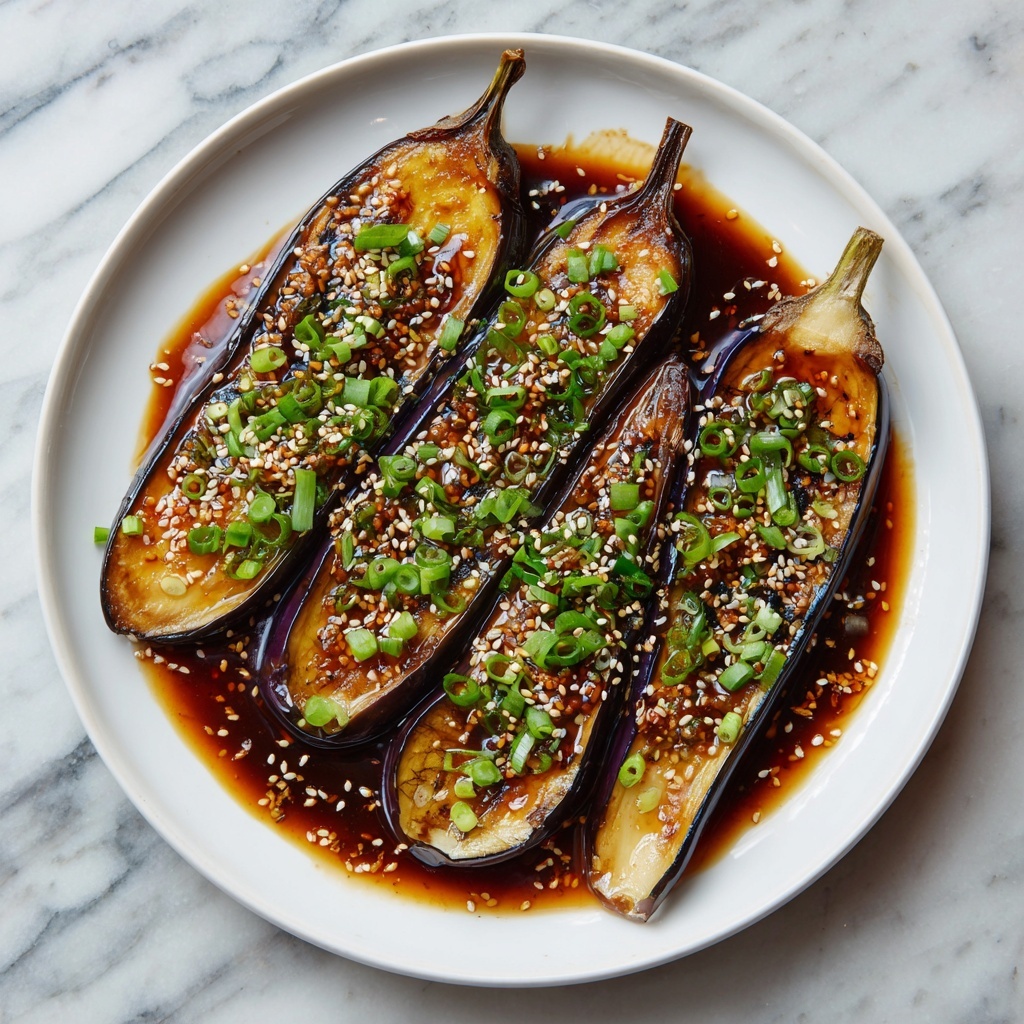
To enhance your dish visually and flavor-wise, toasted sesame seeds deliver a subtle nuttiness and crunch, while fresh green onions bring a burst of color and vibrant sharpness. Feel free to add a sprinkle of shichimi togarashi for a spicy kick or a few sprigs of finely chopped shiso for a hint of herbal brightness. Each garnish offers a new dimension to this simple yet sophisticated dish.
Side Dishes
Serve this eggplant with fluffy steamed rice or sticky sushi rice to soak up the delicious miso glaze. It pairs wonderfully with other Japanese staples like pickled vegetables, edamame, or a light cucumber sunomono salad to balance the rich flavors. For a heartier meal, add a bowl of miso soup or grilled tofu for protein.
Creative Ways to Present
If you want to impress guests, present the eggplant halves on a long serving platter lined with shiso leaves or thinly sliced daikon radish for contrast. Alternatively, cut them into bite-sized cubes, skewer with toothpicks, and offer as an elegant appetizer. This Miso-Glazed Eggplant (Nasu Dengaku) Recipe: A Tasty Japanese Delight Recipe lends itself beautifully to both casual family dinners and sophisticated entertaining.
Make Ahead and Storage
Storing Leftovers
This dish keeps well in an airtight container in the refrigerator for up to 3 days. The eggplants may continue to soften, but the flavors often deepen, making leftovers just as tasty, if not more, than when freshly made.
Freezing
While you can freeze the glazed eggplant, be aware the texture may become slightly mushy upon thawing. To freeze, place cooled eggplants in a freezer-safe container and consume within 1 month for best flavor. Thaw slowly in the fridge before reheating.
Reheating
Reheat gently in a low oven or toaster oven to revive the glaze’s caramelized shine without drying out the eggplant. Avoid microwaving if possible, as it can make the texture too soft, losing that lovely roasted quality we all adore.
FAQs
Can I use other types of eggplants for this recipe?
Yes! If Japanese eggplants are not available, a large globe eggplant sliced thickly makes a good substitute. Just adjust cooking time slightly and be mindful that the texture will be a bit different but still delicious.
Is this recipe vegan?
Absolutely! This dish is naturally vegetarian, and for a fully vegan version, simply use vegan-certified sugar and ensure your miso and mirin do not contain animal-derived ingredients.
What if I don’t have an ovenproof skillet?
No worries. You can sear the eggplants in a regular skillet and then transfer them to a baking sheet lined with parchment for roasting. This works just as well.
Can I make the miso glaze ahead of time?
Yes, the glaze can be prepared in advance and stored covered in the refrigerator for up to 2 days. Just give it a good whisk before spreading it on the eggplant.
How spicy is this dish?
This Miso-Glazed Eggplant (Nasu Dengaku) Recipe: A Tasty Japanese Delight Recipe is not spicy at all, making it accessible to all palates. However, if you like heat, you can add a sprinkle of chili flakes or togarashi to amp up the spice level.
Final Thoughts
Now that you’ve discovered the magic of this Miso-Glazed Eggplant (Nasu Dengaku) Recipe: A Tasty Japanese Delight Recipe, it’s time to bring this deliciously comforting Japanese classic into your kitchen. The combination of roasted tender eggplant and sweet-savory miso glaze is truly special, and once you try it, you’ll understand why it’s celebrated across Japan. So grab those eggplants and get ready to enjoy a little slice of Japanese culinary heaven!
Print
Miso-Glazed Eggplant (Nasu Dengaku) Recipe: A Tasty Japanese Delight Recipe
- Prep Time: 10 minutes
- Cook Time: 25 minutes
- Total Time: 35 minutes
- Yield: 4 servings
- Category: Side Dish
- Method: Roasting
- Cuisine: Japanese
- Diet: Vegetarian
Description
Discover the delicious and authentic Japanese side dish, Miso-Glazed Eggplant (Nasu Dengaku). This recipe features tender roasted Japanese eggplants coated in a savory-sweet miso glaze, broiled to caramelized perfection, and garnished with toasted sesame seeds and fresh green onions. It’s a vibrant, vegetarian delight that’s perfect as a flavorful side or a light main paired with steamed rice.
Ingredients
Eggplant and Oil
- 2 medium Japanese eggplants, halved lengthwise
- 2 tablespoons neutral oil
Miso Glaze
- 3 tablespoons white miso paste
- 1 tablespoon mirin
- 1 tablespoon sake
- 1 tablespoon granulated sugar
- 1 teaspoon soy sauce
- 1 teaspoon sesame oil
- 1 tablespoon water
Garnishes
- 1 tablespoon toasted sesame seeds
- 2 tablespoons thinly sliced green onions
Instructions
- Preheat and Score: Preheat your oven to 400°F. Score the cut side of each eggplant half in a crosshatch pattern, being careful not to cut through the skin. This helps the glaze penetrate and cooks the eggplant evenly.
- Brush and Sear: Lightly brush the cut sides of the eggplant with neutral oil. Heat a large ovenproof skillet over medium heat and place the eggplants cut side down. Cook for 4 to 5 minutes until the flesh is lightly browned, then flip and cook for an additional 2 minutes.
- Roast the Eggplant: Transfer the skillet with the eggplants to the preheated oven and roast for 15 to 20 minutes until the eggplant is tender when pierced with a fork.
- Prepare the Miso Glaze: While the eggplants roast, whisk together the white miso paste, mirin, sake, granulated sugar, soy sauce, sesame oil, and water in a bowl until smooth and well combined.
- Broil with Glaze: Remove the eggplants from the oven and switch the oven setting to broil. Spread the prepared miso glaze evenly over the cut sides of each eggplant half. Broil for 3 to 5 minutes until the glaze bubbles and caramelizes, keeping a close eye to avoid burning.
- Garnish and Serve: Remove the eggplants from the oven and sprinkle the tops with toasted sesame seeds and thinly sliced green onions. Serve warm as a delicious side dish or with steamed rice for a complete meal.
Notes
- If Japanese eggplants are unavailable, substitute with one large globe eggplant cut into thick slices.
- Adjust the sugar quantity in the glaze to balance the saltiness of the miso according to your taste preferences.
- For a vegan version, ensure the granulated sugar used is vegan certified.
- Serve alongside steamed rice to create a satisfying and complete Japanese meal.